Building with intention, designing for permanence
Our practice was founded on the belief that architecture should serve both inhabitants and environment, creating structures that improve with age rather than deteriorate.
How we work
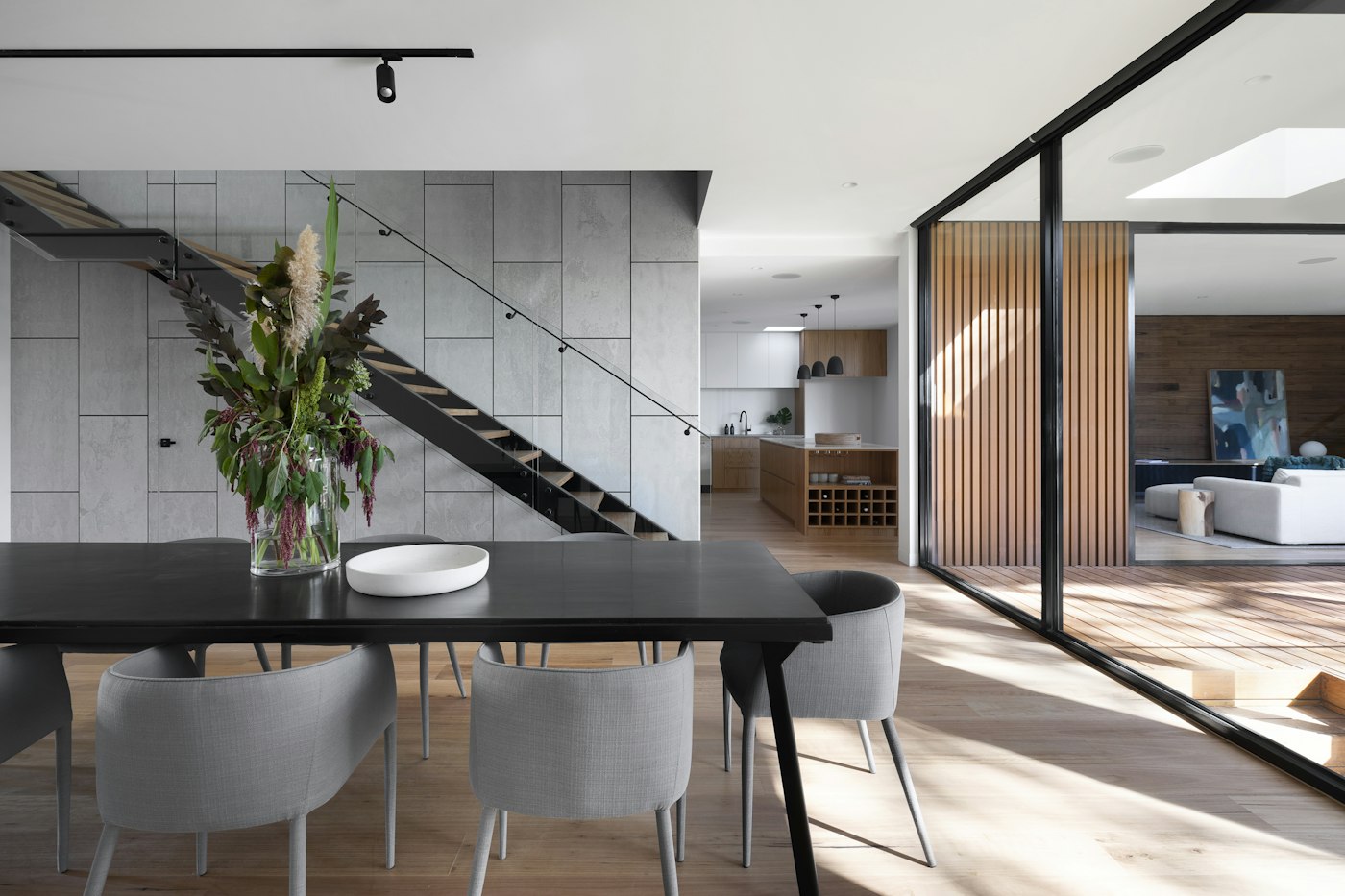
Every project begins with observation. We study the site, understand how light moves across it throughout the day, note prevailing winds and seasonal changes. This informs orientation, window placement, and material selection.
Design develops through iterations. Initial concepts are tested against practical constraints like budget, local building codes, and client requirements. We refine until the solution feels both inevitable and surprising.
During construction, we maintain close involvement. Details that looked perfect on paper sometimes need adjustment when encountering actual site conditions. This flexibility prevents compromise in the final result.

Material honesty
Wood doesn't pretend to be something else. Its grain patterns, natural variations in color, and response to humidity give each piece unique character. We embrace these qualities rather than trying to mask them.
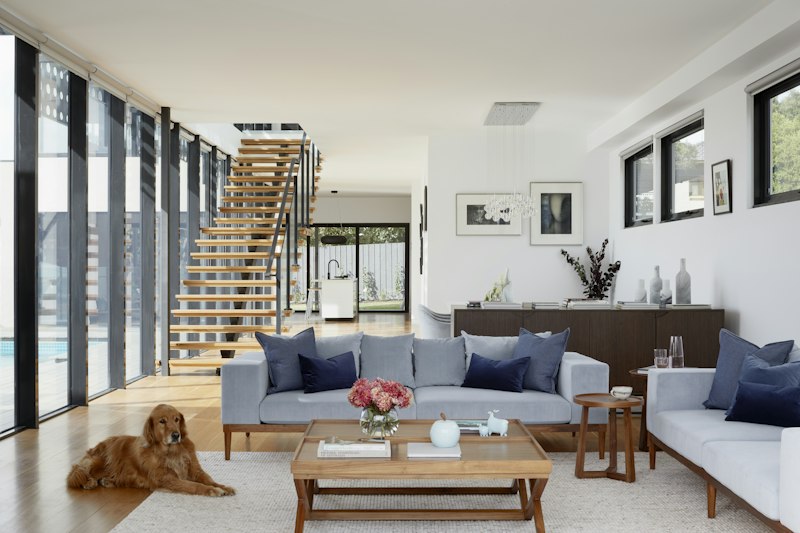
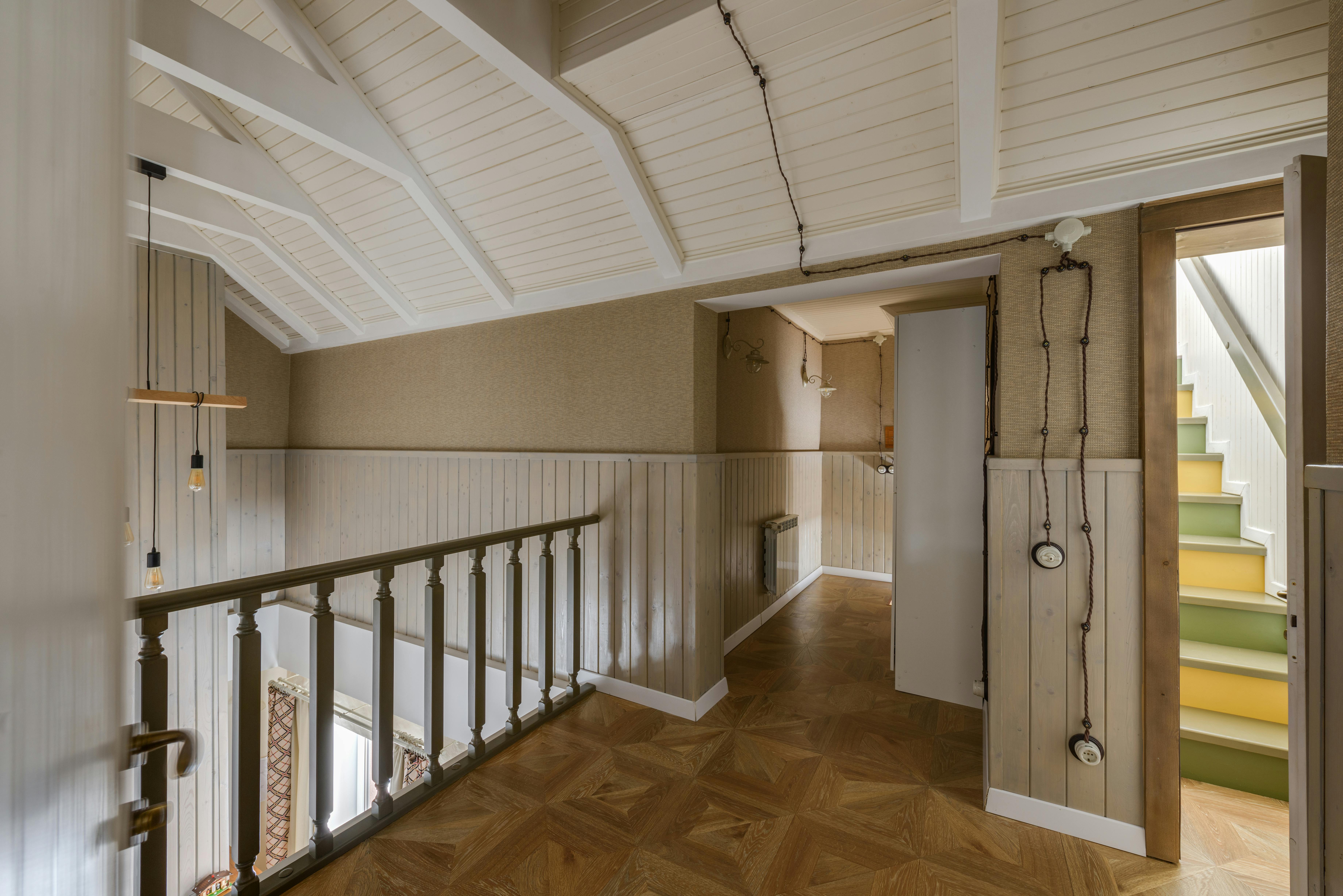
Structural elements often remain visible in our designs. Beams, posts, and joinery become aesthetic features that reveal how the building stands. This transparency creates trust between occupants and structure.
Finishes are selected for longevity and ease of maintenance. A properly treated wooden exterior can last generations with minimal intervention, developing a weathered patina that many find more appealing than its original state.

Regional context
Canadian climate demands specific design responses. Deep overhangs protect walls from rain and snow accumulation. Proper ventilation prevents moisture buildup that could compromise structural integrity. Insulation strategies account for extreme temperature swings.
We source materials locally when possible, reducing transportation impact while supporting regional forestry practices. Local mills often have access to unique wood species that add distinctive character to projects.
Building codes vary by province and municipality. Our experience navigating these requirements helps clients avoid costly revisions and delays during the approval process.
Beyond aesthetics
Beautiful buildings matter, but beauty alone doesn't create successful architecture. Spaces must function well for their intended purpose, adapt to changing needs over time, and require reasonable maintenance effort.
We consider lifecycle costs during design. Higher quality materials and construction methods cost more initially but reduce long-term expenses and environmental impact. This perspective shifts focus from lowest bid to best value.
Energy efficiency isn't an optional extra. Passive design strategies like optimal orientation, strategic window placement, and thermal mass reduce mechanical system requirements. This creates comfortable spaces while minimizing operating costs and carbon footprint.
Interested in working together?
We take on a limited number of projects each year to ensure each receives proper attention. If you're considering a new build or renovation, we'd like to hear about it.